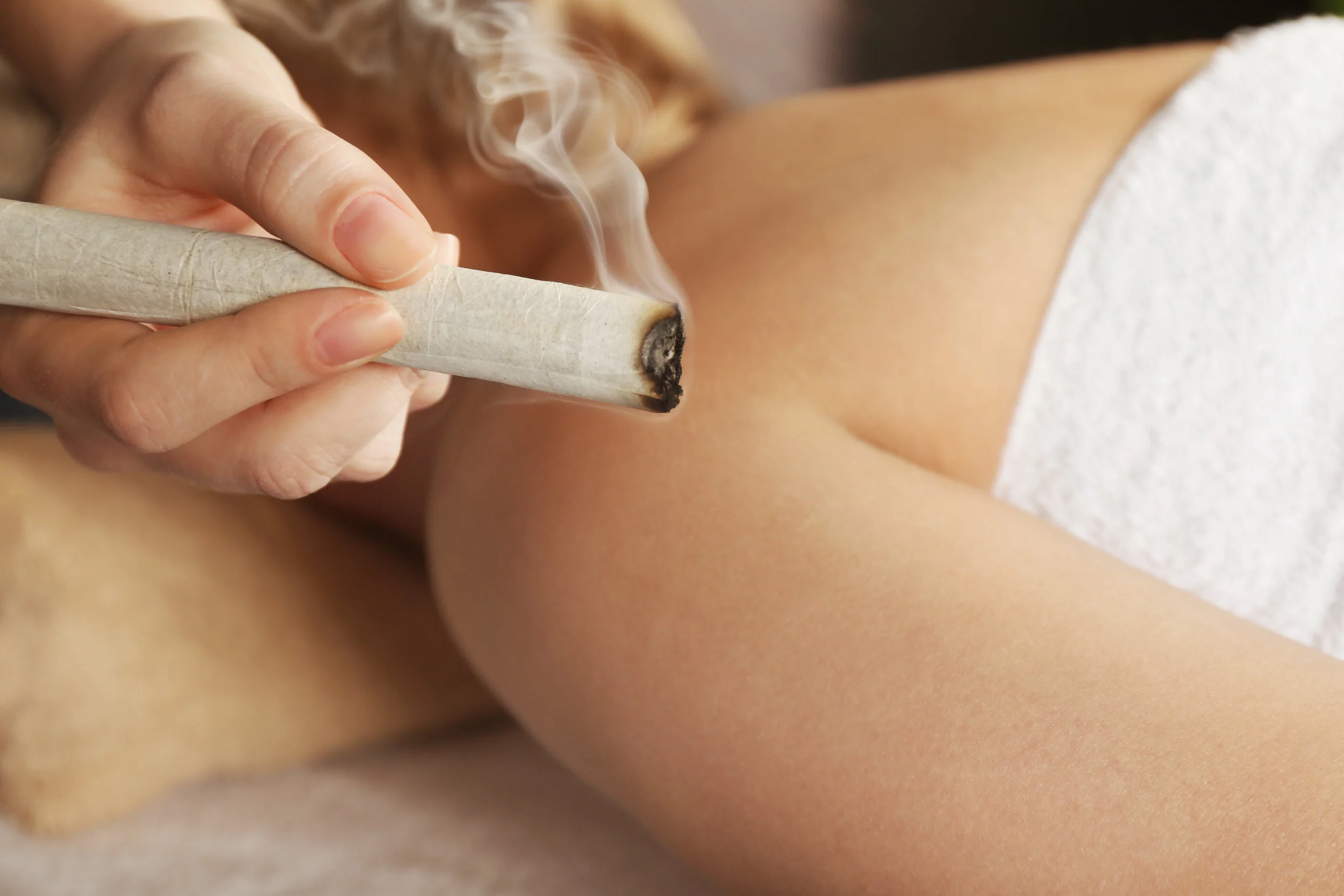
Why Moxa and Women's Health Belong Together
Chinese medicine considers the Uterus, Blood, and Kidney Yang to be foundational to women's health. Moxibustion — which warms, tonifies Yang, and nourishes Blood — is uniquely suited to address the patterns that most commonly affect women: Blood deficiency, Cold in the Uterus, Kidney Yang deficiency, and Qi stagnation.
Unlike acupuncture, which primarily moves and regulates, moxa builds and warms — making it irreplaceable for conditions that are deficient or cold in nature. Many of the most common female health complaints fall into exactly these categories.
Moxa for Menstrual Health
Painful periods (dysmenorrhea) are often a sign of Cold in the Uterus or Blood stagnation — both of which respond extraordinarily well to moxibustion. Warming specific points before and during menstruation can dramatically reduce cramping, clotting, and pelvic pain.
Irregular cycles, scanty periods, and amenorrhea (absent periods) are often patterns of Blood or Yin deficiency — again responsive to moxa's nourishing, warming action. Cycle regulation typically requires 3–6 months of consistent treatment, as each treatment cycle takes time to shift.
Moxa for Fertility
Fertility requires warmth — a warm uterine environment is essential for implantation and early embryo development. Moxibustion at specific points (particularly Guanyuan, Zigong, and Shenshu) increases blood flow to the uterus and ovaries, tonifies Kidney Yang (which governs reproductive function in Chinese medicine), and creates the warm, nourishing environment that conception requires.
For women undergoing IVF, moxa is often used in the weeks leading up to transfer to optimize the uterine lining and Kidney Yang. Always coordinate this with your reproductive endocrinologist and your acupuncturist.
Moxa for Post-Partum Recovery
The post-partum period in Chinese medicine is understood as a state of profound Blood and Qi depletion — a woman has given enormous resources to grow and birth a child, and those resources must be systematically rebuilt. Moxibustion is one of the primary tools for this rebuilding.
Traditional Chinese post-partum care includes a period of warming the body, avoiding cold foods and cold exposure, and using moxa regularly to tonify Qi and Blood, warm the Uterus, and support recovery. Modern women who follow modified versions of this protocol often report dramatically faster recovery and significantly less post-partum fatigue and mood difficulty.
Moxa for Perimenopause and Menopause
As women approach menopause, the natural decline in Kidney Yin and Yang produces the classic symptoms of this transition: hot flashes, night sweats, insomnia, mood changes, vaginal dryness, and fatigue. Moxibustion — often combined with acupuncture and herbal formulas — can significantly reduce the severity of these symptoms.
Treatment for perimenopausal women is nuanced: the formula shifts as the pattern shifts, and moxa is used carefully — warming the Kidney Yang while not aggravating the Yin deficiency that coexists. This is one of the most sophisticated areas of Chinese gynecology and one where an experienced practitioner makes an enormous difference.
The best way to understand Chinese medicine is to experience it. Your first visit includes a full consultation — no treatment until we understand your whole picture.
Book a Consultation