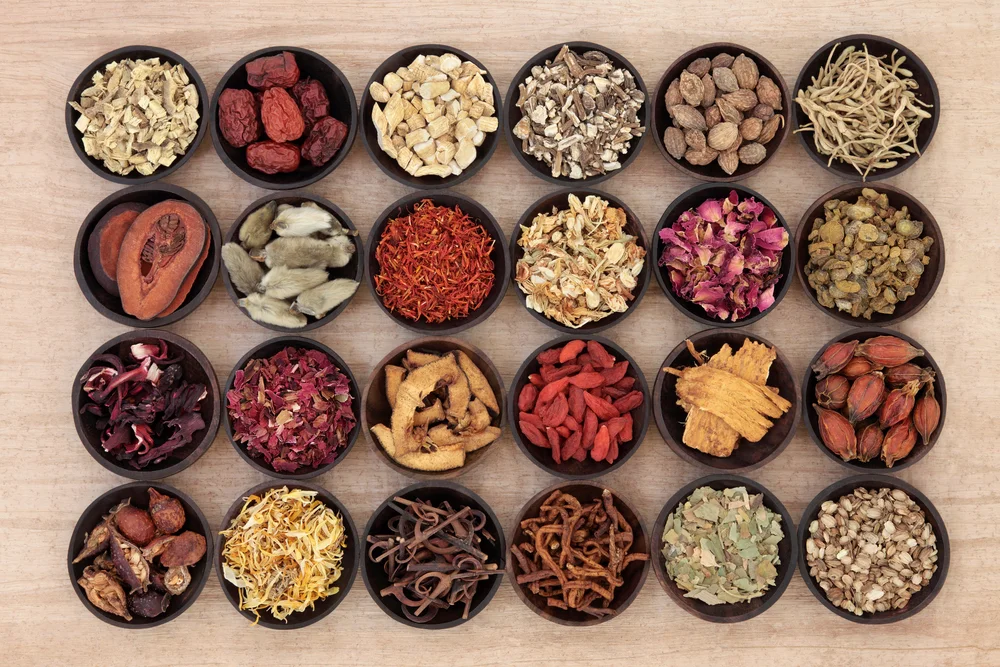
Why Chinese Herbal Medicine Is Different
Chinese herbal medicine is not vitamins, supplements, or Western herbalism. It is a complete medical system — one of the oldest and most clinically documented in human history — that uses precisely formulated combinations of plant, mineral, and occasionally animal substances to restore physiological balance.
The key distinction is individualization: where a supplement is standardized and used broadly, a Chinese herbal formula is prescribed for one specific patient at one specific time based on their exact pattern. Two patients with the same Western diagnosis may receive completely different formulas — because the formulas are treating the person, not the condition.
When Herbs Are Most Useful
Herbal medicine is particularly powerful for chronic conditions that require continuous support between acupuncture sessions — hormonal imbalance, digestive disorders, immune deficiency, emotional dysregulation, fertility preparation, and constitutional strengthening.
For acute conditions — a cold, a sprained ankle, acute pain — acupuncture is often the more immediately powerful tool. But for conditions that have developed over months and years, herbs provide the sustained, daily input that drives lasting change.
How Formulas Are Prescribed and Modified
A classical Chinese formula typically contains 6–15 herbs in precisely calibrated proportions. There is always a chief herb that addresses the primary pattern, deputy herbs that support and enhance the chief, assistant herbs that address secondary symptoms or buffer harsh effects, and envoy herbs that direct the formula to specific body regions.
Formulas are modified as you change — the formula prescribed in week one of treatment will often look different in week eight. This responsiveness is one of the most clinically significant advantages of classical herbal medicine over fixed supplements.
Forms and How to Take Them
Classical raw herb decoctions (cooking herbs yourself) remain the most potent form. Granules — concentrated extracts dissolved in hot water — are the most common form in modern clinical practice, offering nearly equivalent potency with significantly more convenience.
Capsules are available and appropriate for some conditions. Sarah will recommend the appropriate form based on your condition and lifestyle. Most patients take herbal medicine twice daily — once in the morning and once in the evening — typically for 4–12 weeks before a full reassessment.
Safety, Interactions, and What to Tell Your Practitioner
Chinese herbal medicine is safe when prescribed by a qualified practitioner who understands herb-drug interactions, contraindications, and your full health picture. It is not inherently safe simply because it is "natural" — just as not all plants are edible, not all herbal formulas are appropriate for all people.
Always disclose all medications, supplements, and health conditions to your practitioner before beginning herbal treatment. Certain herbs interact with blood thinners, immunosuppressants, and other medications. A properly trained practitioner will always screen for these interactions before prescribing.
The best way to understand Chinese medicine is to experience it. Your first visit includes a full consultation — no treatment until we understand your whole picture.
Book a Consultation